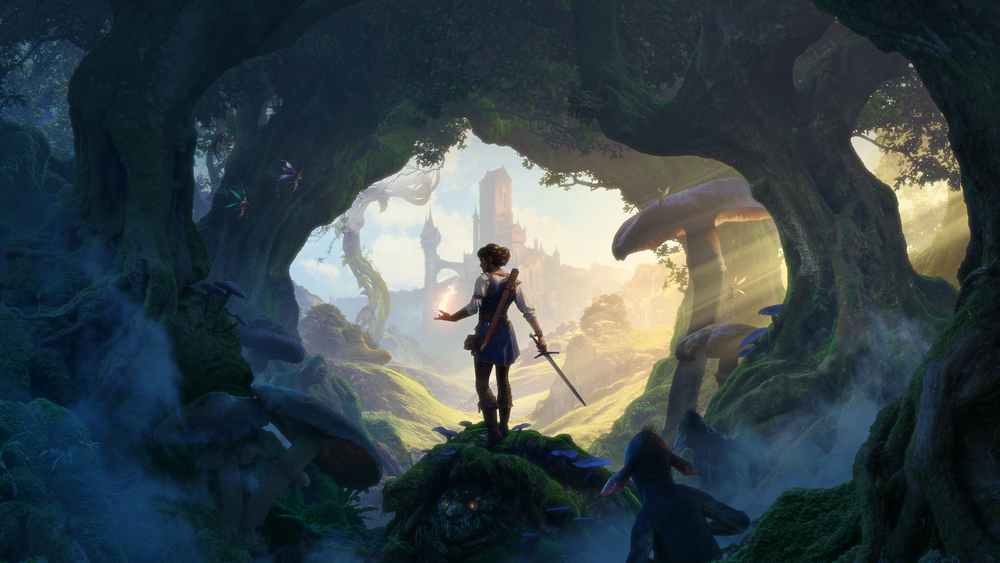
Fable adalah reboot dari franchise legendaris yang menghadirkan kembali dunia Albion yang penuh dengan karakter-karakter aneh, humor gelap, dan ayam-ayam yang ikonik. Dengan pengembangan yang dilakukan oleh Playground Games, game ini diharapkan dapat memberikan pengalaman RPG yang mendalam dengan dunia yang luas dan cerita yang menarik.
Fable – RPG Fantasy yang Akhirnya Hadir di PS5
Playground Games akhirnya mengumumkan tanggal rilis untuk Fable, game RPG fantasy yang telah dinantikan sejak pertama kali diumumkan pada tahun 2020. Game ini akan diluncurkan untuk PlayStation 5 pada 23 Februari 2027, dengan akses awal untuk pemilik Premium Edition mulai 18 Februari 2027. Untuk menemukan informasi lebih lanjut tentang game-game RPG fantasy terbaru, kunjungi musang86 yang selalu menyajikan berita gaming terupdate.
Yang membuat Fable menarik adalah perpaduan antara nostalgia dan pendekatan baru terhadap dunia Albion. Dengan sentuhan sinis yang khas dari seri ini dan teknologi modern, Fable menjadi salah satu game RPG paling dinantikan di tahun 2027.
Yang bikin Fable makin dinanti adalah kembalinya Jack of Blades—salah satu villain paling ikonik di seri Fable. Plus ada Isabel yang diperankan Hayley Atwell, yang pasti bakal jadi karakter yang kuat dan menarik. Nuansa yang lebih gelap juga bikin game ini terasa lebih dewasa dari pendahulunya, tanpa kehilangan humor khas Fable.
Rilis di PlayStation 5 juga jadi kabar besar. Setelah sekian lama jadi eksklusif Xbox, Fable akhirnya hadir di konsol Sony. Ini adalah langkah besar dari Microsoft yang menunjukkan perubahan strategi dalam pendekatan mereka terhadap game eksklusif.
Dunia Albion yang Diciptakan Ulang dengan Detail Memukau
Playground Games, yang dikenal lewat keahlian mereka dalam seri Forza Horizon, membawa keahlian teknisnya ke ranah fantasi dengan menciptakan dunia Albion yang benar-benar baru namun tetap terasa akrab. Albion kini menjadi kerajaan yang luas dengan empat wilayah utama: padang rumput hijau yang dihiasi desa-desa kuno, hutan belantara yang dipenuhi makhluk misterius, pegunungan bersalju yang menantang para petualang, serta rawa-rawa beracun yang menyimpan rahasia kelam. Setiap wilayah memiliki iklim dan ekosistem unik, serta penduduk dengan kebiasaan dan dialog yang berbeda-beda. Teknologi pencahayaan dinamis membuat setiap sudut dunia terasa hidup—matahari terbit yang hangat menyinari ladang gandum, kabut tebal turun di malam hari, dan hujan deras membuat jalanan menjadi becek dan licin. Ini bukan sekadar latar belakang, tetapi dunia yang benar-benar ingin Anda jelajahi dan huni.
Karakterisasi dan Pilihan Moral yang Lebih Rumit
Salah satu ciri khas seri Fable adalah sistem moralitas yang memengaruhi penampilan dan interaksi karakter. Di reboot ini, sistem tersebut dikembangkan lebih jauh dengan konsekuensi yang lebih bernuansa. Setiap keputusan—mulai dari membantu petani yang tertindas hingga merampok gerobak dagang—akan memengaruhi reputasi Anda di setiap kota, hubungan dengan faksi-faksi tertentu, dan bahkan bentuk fisik karakter. Jiwa yang baik akan membuat karakter bersinar dengan aura keemasan, sementara jiwa yang jahat akan menumbuhkan tanduk dan mata menyala. Namun, tidak ada pilihan yang hitam-putih; banyak situasi menawarkan dilema moral yang membuat pemain benar-benar berpikir. Selain itu, interaksi dengan NPC kini lebih dinamis, dengan sistem ingatan yang membuat mereka mengingat perbuatan Anda di masa lalu—baik itu kebaikan yang akan dibalas dengan hadiah, atau kejahatan yang akan diingat sebagai dendam turun-temurun.
Sistem Pertarungan yang Segar dengan Sentuhan Modern
Jika seri Fable klasik dikenal dengan pertarungan yang relatif sederhana, maka reboot ini menghadirkan sistem tempur yang lebih dalam namun tetap mudah diakses. Pemain dapat menggabungkan serangan jarak dekat dengan pedang, palu, atau kapak; serangan jarak jauh dengan busur atau senjata api kuno; serta sihir yang terbagi dalam berbagai aliran seperti api, es, petir, dan kekuatan kegelapan. Kombinasi ketiga gaya ini memungkinkan taktik yang beragam—misalnya, membekukan musuh lalu menghancurkannya dengan palu, atau menggunakan sihir api untuk membakar pertahanan lawan sebelum menembak dari kejauhan. Fitur “Hero Mode” juga diperkenalkan, di mana pemain dapat memperlambat waktu sejenak untuk melakukan serangan bertubi-tubi, mirip dengan mekanisme fokus di game aksi modern. Kontrolnya dirancang khusus untuk DualSense, dengan getaran haptic yang memberikan umpan balik berbeda untuk setiap jenis senjata dan mantra sihir.
Cerita Epik yang Menggabungkan Masa Lalu dan Masa Kini
Plot utama Fable reboot ini mengambil latar ratusan tahun setelah peristiwa Fable III, di mana Albion telah jatuh ke dalam kegelapan akibat ulah Jack of Blades yang kembali bangkit. Pemain berperan sebagai pahlawan baru yang terjebak dalam konflik antara para Guardian—penjaga kuno—dan kekuatan kegelapan yang mengancam menghancurkan dunia. Namun, cerita tidak berjalan linear; pemain dapat menemukan buku-buku kuno, artefak, dan kilas balik yang mengungkap sejarah Albion yang lebih gelap dari yang pernah diketahui. Karakter Isabel, yang diperankan dengan apik oleh Hayley Atwell, adalah seorang pemimpin gerakan perlawanan yang penuh teka-teki—kadang sekutu, kadang rival—yang akan menguji loyalitas pemain sepanjang permainan. Dialog dan pilihan percakapan yang kaya membuat setiap interaksi terasa bermakna, membangun hubungan emosional yang langka ditemui di game RPG pada umumnya.
Humor dan Satir Khas Fable yang Tetap Terjaga
Meskipun nuansa cerita menjadi lebih gelap, pengembang tidak melupakan jiwa Fable yang penuh humor sinis dan satir sosial. Ayam-ayam yang bisa ditendang masih ada—dan kali ini dengan animasi yang lebih lucu serta reaksi dari warga sekitar. Dialog NPC penuh dengan lelucon tajam yang mengkritik keserakahan, kebodohan, dan kemunafikan masyarakat Albion. Ada juga misi sampingan yang absurd, seperti membantu seorang peri menemukan kembali ingatannya yang hilang karena terlalu banyak minum ramuan, atau mengikuti kontes adu ayam dengan taruhan tinggi. Segala kekonyolan ini disajikan dengan grafis yang memukau, menciptakan kontras yang segar antara keindahan visual dan kelucuan situasi. Hasilnya adalah pengalaman yang tidak hanya menghibur secara emosional, tetapi juga membuat pemain tertawa terbahak-bahak di tengah petualangan yang berat.
Mode Co-op dan Fitur Sosial yang Inovatif
Untuk pertama kalinya dalam seri Fable, pemain dapat mengajak teman bergabung dalam petualangan melalui mode co-op dua pemain secara penuh—tidak sekadar cameo seperti di Fable II dan III. Pemain kedua dapat mengambil kendali karakter pendamping yang memiliki kemampuan unik, seperti memanah dari kejauhan atau menyembuhkan tim dengan sihir pemulihan. Mereka juga dapat berbagi reputasi, harta, dan pengaruh di dunia Albion. Selain itu, ada fitur “Hero Guild” yang memungkinkan pemain saling mengirim misi, hadiah, atau bahkan tantangan duel secara asinkron. Meskipun tidak sebesar mode online GTA, fitur sosial ini memberikan dimensi baru bagi penggemar Fable yang ingin berbagi pengalaman dengan teman, tanpa mengurangi esensi petualangan solo yang kental.
Edisi Kolektor dan Pre-Order dengan Hadiah Eksklusif
Playground Games dan Xbox Game Studios telah merilis detail edisi kolektor yang menggoda. Edisi “Chicken Chaser Ultimate” mencakup patung ayam legendaris berskala besar dengan pose tendangan, peta kain Albion yang diterangi dengan tinta khusus, buku seni konseptual berisi sketsa awal pengembangan, serta kode untuk kostum eksklusif “Hero of the Old Kingdom” yang memberikan bonus statistik kecil. Pre-order standar akan memberi pemain akses ke senjata legendaris “Sword of Aeons” versi remake, serta satu misi tambahan yang mengungkap asal-usul Jack of Blades. Semua bonus ini dirancang untuk memberi nilai tambah bagi kolektor dan penggemar sejati, tanpa membuat pemain reguler merasa dirugikan—sebuah keseimbangan yang patut diacungi jempol.
Kesimpulan: Fable Kembali dengan Lebih Dewasa dan Lebih Berani
Fable bukanlah sekadar reboot yang aman; ia adalah pernyataan berani bahwa dunia Albion masih memiliki banyak cerita untuk diceritakan, bahkan setelah bertahun-tahun vakum. Dengan visual yang memukau, sistem moralitas yang lebih kompleks, pertarungan yang seru, serta humor khas yang tidak pudar, Playground Games berhasil menciptakan RPG fantasy yang mampu bersaing dengan raksasa seperti The Witcher dan Elder Scrolls. Kehadirannya di PlayStation 5 membuka pintu bagi jutaan pemain baru yang belum pernah merasakan magisnya Fable sebelumnya. Pada 23 Februari 2027, dunia akan kembali mengenal Albion—tidak hanya sebagai kerajaan fantasi, tetapi sebagai rumah bagi petualangan, tawa, air mata, dan ayam-ayam yang paling ikonik di dunia game. Bersiaplah untuk memilih jalan Anda, karena di Fable, setiap pilihan benar-benar berarti.